• 1.jpg
  • 2.jpg
  • 3.jpg
  • 4.jpg
  • 5.jpg
  • 6.jpg
  • 7.jpg
  • 8.jpg
Are you ready for an outdoor adventure? Consider building a rope course construction with the help of experienced rope course builders.
◆ News · Adventure Business

The Comprehensive Guide to Building a High Ropes Course

If you want to build a high ropes course, you've come to the right place. Whether for recreational purposes or team building activities, a ropes course can be a unique and exciting experience for your participants. However, building a high ropes course is a complex task that requires a deep understanding of the process before breaking ground.

In this guide, we'll take you step-by-step through the process of developing a successful ropes course. We will cover everything from initial planning and site selection to construction and vital safety considerations, ensuring your attraction is both profitable and compliant.

TL;DR

Key takeaways

  • Successful ropes course construction begins with meticulous planning, site selection, and budget definition.
  • High-quality materials and strict adherence to industry regulations are non-negotiable for structural safety.
  • Ongoing maintenance, specialized staff training, and clear emergency procedures are essential for long-term operation.
  • Partnering with an experienced design and construction team ensures maximum ROI and participant safety.
Phase 1

Planning and site selection

Building high ropes courses requires careful planning and execution. Hiring an experienced course builder is a crucial first step to guarantee a safe and successful outcome. Before construction begins, you must evaluate several foundational elements:

  • Purpose: Define the core use. Is it for recreational tourism or corporate team building? This dictates the required elements and difficulty levels.
  • Location: Identify a site with adequate space, favorable terrain, clear accessibility, and proximity to necessary facilities.
  • Regulations: Always verify local zoning laws and secure required permits before committing to a site.
  • Budget: Determine a comprehensive budget encompassing construction, equipment, and ongoing maintenance.
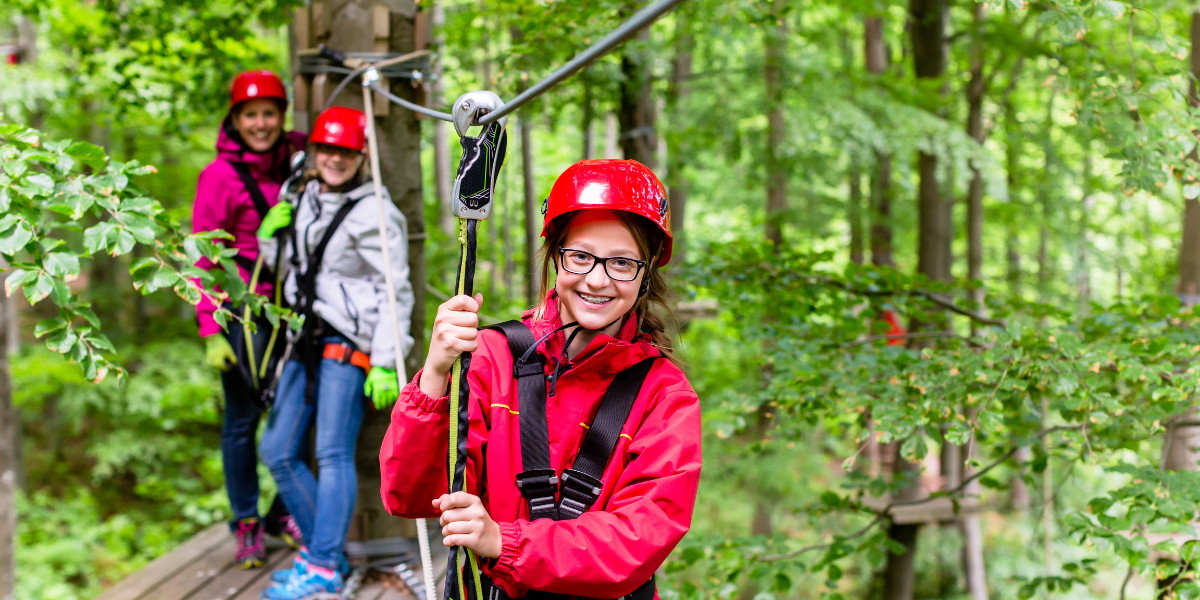
High ropes course planning and structural considerations

Effective planning ensures structural integrity and maximizes operational space.

Phase 2

Designing and building the course

Designing a course that maximizes space while delivering a challenging experience requires specialized expertise. By engaging in professional consultancy and design services, you ensure terrain, spacing, and target audience needs are fully integrated into the blueprint. Once the site is secured, construction moves through four key stages:

Design & Layout

Work with designers to select the right attraction mix—such as zip lines, balance beams, and rope bridges—and optimize the flow of participants through the course.

Installation

Hire experienced contractors to build the course precisely to the design specifications, ensuring strict compliance with all relevant safety guidelines.

Material Selection

Utilize high-quality materials engineered to withstand severe weather and heavy operational use, including commercial-grade steel cables, treated timber poles, and synthetic ropes.

Inspection

Once installation is complete, an independent professional must inspect the structure to certify it meets all industry safety standards before opening to the public.

Operations

Critical safety aspects

Building a durable course requires top-tier materials, but operating one safely requires rigorous daily protocols. When managing a high ropes course, participant safety must remain the absolute priority at all times.

  • Training: Conduct comprehensive staff training and education covering harness donning, proper hooking techniques, and participant belaying.
  • Maintenance: Regularly inspect and maintain the course. Worn or damaged elements must be replaced immediately to ensure structural integrity.
  • Emergency Procedures: Establish clear, documented emergency response plans, including first aid training, reliable communication tools, and effective evacuation methods.

High ropes course construction and safety belay systems

Participant safety is maintained through certified belay systems and regular inspections.

Partnering

Why build with Skywalker?

Building a high ropes course is a rewarding investment when executed correctly. Skywalker has a proven track record of constructing high-quality adventure parks tailored to the unique specifications of our clients. We work closely with developers from initial concept to opening day, providing ongoing support to secure your investment for the long term.

Expertise: We possess the technical knowledge to design customized, profitable courses that adhere to the highest industry standards.
Efficiency: We streamline the construction process, leveraging top-tier resources to deliver your project on time and within budget.
Safety First: We ensure your course meets all relevant safety codes upon construction and remains compliant through comprehensive maintenance programs.
Explore Turnkey Solutions →
Common Questions

Ropes Course Construction FAQ

Do I need permits to build a high ropes course?

Yes. You must check with your local government and zoning boards to identify necessary regulations and secure all environmental and construction permits prior to building.

What materials are typically used in ropes course construction?

High-quality materials designed to withstand the elements are essential. Common materials include commercial-grade steel cables, treated wooden poles, and high-tensile plastic or synthetic ropes.

How is a high ropes course maintained after construction?

Maintenance requires regular professional inspections to identify potential hazards. Worn or damaged elements must be replaced immediately, and routine servicing is necessary to ensure long-term functionality and safety.

EN 15567 Compliant ERCA Member Complete Turnkey Solutions

Ready to build your ropes course?

Contact our consultancy team today to discuss your site, review your requirements, and outline a roadmap for your next high ropes adventure park.

Related reading

Explore the adventure business

Turnkey planning Build Your Park

The full Skywalker process: from fixed-price feasibility study through design, engineering and opening day.

Service Consultancy — Feasibility & Concept

What a Skywalker feasibility study covers — and how the fee credits back into construction cost.

Service Design & Architecture

How Skywalker translates a site concept into engineered construction drawings and permit-ready specifications.

Service Concepting & Theming

Turning a site brief and investor vision into a coherent, themed guest experience with commercial logic.

Service HRM & Operations Planning

Staffing structures, hiring frameworks and operating model design for adventure parks at scale.

Product AirCruizer Cable Bicycle

An aerial cable bicycle that adds a low-intensity, family-accessible revenue stream to any adventure destination.

Product Net Adventure

Multi-level suspended net structures — high dwell time, low staffing cost, strong ROI for family parks.

Product Ultimate Adventure Tower

A vertical multi-discipline anchor attraction that drives park-wide footfall and upsell across adjacent attractions.

Service Zipline Design & Engineering

Engineered zipline specifications — why site-specific design protects your permit, insurance and long-term operating margin.

Products overview All Products — Attraction Range

Browse the full Skywalker product range to plan your park's attraction mix and revenue model.