



• 1.jpg
  • 2.jpg
  • 3.jpg
  • 4.jpg
  • 5.jpg
  • 6.jpg
  • 7.jpg
  • 8.jpg
By implementing a Safety and Quality Management System (SQMS), adventure parks can not only improve the experience of their visitors, but also benefit in many areas of their operations.
◆ Quality Management · Adventure Business

Safeguarding Adventure: The Importance of a Safety Management System

Adventure parks offer exciting experiences that attract people from all walks of life. From ropes courses and zip lines to outdoor recreational obstacles, there is something for everyone. However, with high-thrill entertainment, safety and quality must be the top priority. Implementing a Safety and Quality Management System (SQMS) in an adventure park is an essential step in ensuring visitors have a secure experience while operators benefit from increased customer satisfaction and improved profitability.

TL;DR

Key Takeaways

Risk Mitigation: Regular equipment inspections and maintenance are essential to meet safety standards like EN 15567 and protect participants.
Operational Excellence: Standard Operating Procedures (SOPs) and comprehensive Emergency Response Plans (ERPs) ensure staff handle operations and incidents calmly and efficiently.
Continuous Improvement: Detailed record-keeping and periodic internal audits identify hazards before they cause issues, improving overall park profitability and reputation.
Core Strategy

Building an SQMS Framework

Adventure parks feature inherently thrilling activities. Without rigorous safety and quality measures, these attractions present genuine operational risks. The first step in establishing an SQMS is to conduct a thorough review of all current activities, equipment, and staff training protocols.

A comprehensive plan must outline specific steps for equipment oversight, staffing requirements, and emergency handling. Key elements include structured maintenance schedules, well-documented SOPs, detailed risk assessments, and secure, accurate record-keeping to demonstrate compliance with international standards.

Implementing a Safety and Quality Management System leads to improved operations
Daily Operations

Inspections

Inspections are the front line of an SQMS. Visual walk-throughs, equipment tests, and process evaluations identify hazards before they cause incidents. Routine checks verify that harnesses, ropes, and mechanical systems are free from excessive wear and meet manufacturer specifications.

In addition to daily checks, periodic internal audits by independent parties are vital to objectively assess the park’s performance. Find out more about establishing a maintenance pipeline through our lifecycle management services.

Human Capital

Staff Training

A safe environment relies heavily on a knowledgeable team. Staff must fully understand park facilities, risk management, and rescue protocols to respond to high-pressure situations efficiently.

Proper training and education goes beyond safety—it encompasses customer service, communication, and conflict resolution. Regular performance evaluations help refine these programs, ensuring every employee is equipped to deliver a premium, secure visitor experience.

Consistency

Standard Operating Procedures

Standard Operating Procedures (SOPs) are the detailed blueprints for performing specific tasks. In an environment featuring high-thrill elements like zip lines and adventure towers, these documents provide staff with an unambiguous guide for setting up safety gear, handling hazardous materials, and maintaining park flow.

SOPs should be heavily audited and frequently updated to reflect new regulations or equipment upgrades. Having robust SOPs actively demonstrates a park's professionalism and technical expertise to investors and stakeholders.

Crisis Management

Emergency Response Plan

An Emergency Response Plan (ERP) dictates how a park reacts to crises, whether medical emergencies, structural damage, or severe weather. It designates specific rescue coordinators, establishes clear communication channels, and maps out evacuation routes.

To guarantee its effectiveness, an ERP cannot remain theoretical. Regular emergency drills must be conducted, testing staff readiness and refining the procedures based on real-time feedback and response metrics.

Auditing & Reporting

Risk Assessment & Record Keeping

Risk assessments evaluate the likelihood and impact of hazards—from participant behavior to equipment stress. Once quantified, operators can prioritize resources, implement preventative controls, and train staff accordingly. Hand-in-hand with assessment is meticulous record-keeping. Logs of inspections, incident reports, and maintenance schedules provide irrefutable proof of compliance and serve as the foundational data required for operational improvements.
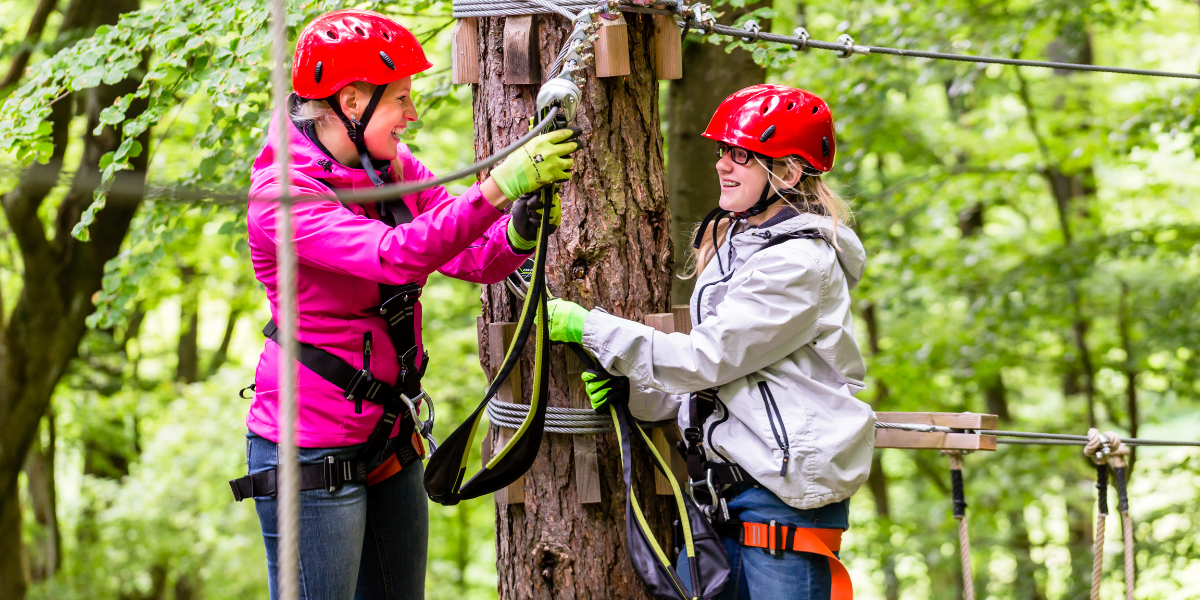
Safety records and quality tracking help optimize adventure park profitability

Comprehensive quality management ensures the safety of customers and the profitability of the park.

ROI & Value

Benefits of an SQMS

  • Increased efficiency: Structured management approaches reduce operational waste.
  • Better compliance: Mitigates legal risks by adhering strictly to local and international regulations.
  • Customer satisfaction: Consistent, reliable service models result in higher loyalty and better reviews.
  • Employee morale: Staff operate confidently in a well-managed, explicitly documented working environment.
Industry Standards

Applicable Norms

  • EN 15567: European standard dictating design, construction, and operational requirements for ropes courses.
  • ISO 9001: Global framework for deploying highly effective quality management systems.
  • ASTM International: Technical safety standards used universally across the amusement and leisure sector.
  • OSHA & Local Codes: Region-specific occupational safety guidelines ensuring workplace and structural health.
Knowledge Base

Frequently Asked Questions

What exactly is a Safety and Quality Management System (SQMS)?

An SQMS is a structured framework that adventure parks use to manage all safety protocols, risk assessments, operational quality, and compliance requirements. It ensures consistent standards across equipment, staff training, and daily operations.

How often should adventure park equipment be inspected?

Equipment requires daily visual inspections by trained staff before operations begin, combined with routine technical tests and periodic internal or third-party audits to strictly adhere to EN 15567 and manufacturer guidelines.

What are SOPs and why are they necessary?

Standard Operating Procedures (SOPs) are detailed instructions that outline exactly how specific tasks—like harnessing a participant or maintaining a zip line—must be performed. They guarantee operational consistency and minimize human error.

What should be included in an Emergency Response Plan (ERP)?

An ERP must designate specific response coordinators, establish clear communication channels, detail evacuation procedures, and outline distinct protocols for scenarios ranging from medical issues to severe weather events.

How does proper record-keeping benefit a park financially?

Detailed incident logs and maintenance records mitigate legal liability, ensure regulatory compliance, reduce operational downtime by anticipating equipment failures, and demonstrate professionalism, which lowers insurance premiums and attracts investment.

EN 15567 Compliant Processes ISO 9001 Alignment Verified Expert Trainers

Ready to optimize your operations?

From site assessments to customized training, our consultancy team builds robust safety protocols that protect your brand and improve profitability.

Related reading

Explore the adventure business

Turnkey planning Build Your Park

The full Skywalker process: from fixed-price feasibility study through design, engineering and opening day.

Service Consultancy — Feasibility & Concept

What a Skywalker feasibility study covers — and how the fee credits back into construction cost.

Service Design & Architecture

How Skywalker translates a site concept into engineered construction drawings and permit-ready specifications.

Service Concepting & Theming

Turning a site brief and investor vision into a coherent, themed guest experience with commercial logic.

Service HRM & Operations Planning

Staffing structures, hiring frameworks and operating model design for adventure parks at scale.

Product AirCruizer Cable Bicycle

An aerial cable bicycle that adds a low-intensity, family-accessible revenue stream to any adventure destination.

Product Net Adventure

Multi-level suspended net structures — high dwell time, low staffing cost, strong ROI for family parks.

Product Ultimate Adventure Tower

A vertical multi-discipline anchor attraction that drives park-wide footfall and upsell across adjacent attractions.

Service Zipline Design & Engineering

Engineered zipline specifications — why site-specific design protects your permit, insurance and long-term operating margin.

Products overview All Products — Attraction Range

Browse the full Skywalker product range to plan your park's attraction mix and revenue model.