










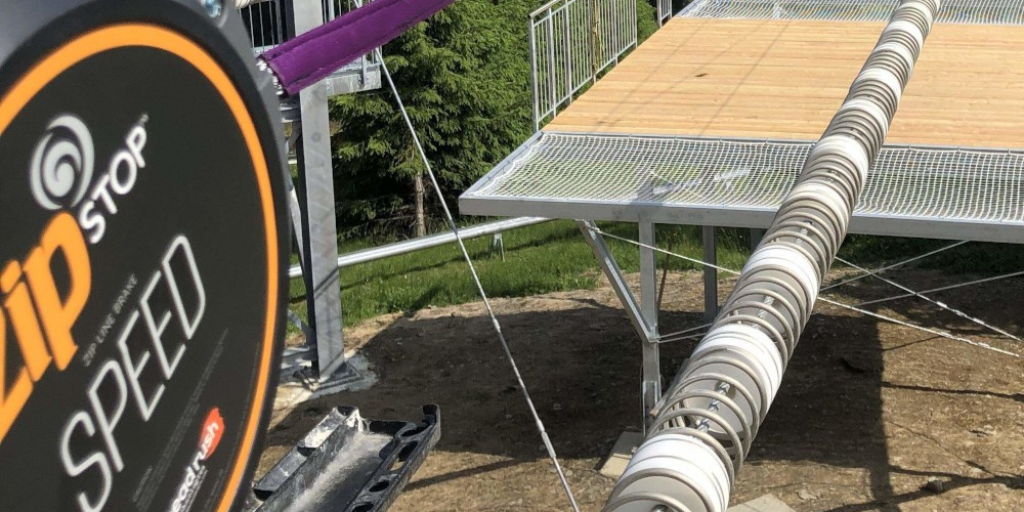
Does Your Zipline Need an Emergency Arrest Device?
According to international standards, every high-speed zip line requires an Emergency Arrest Device (EAD) to ensure rider safety. But what exactly is an EAD and is your operation compliant? This article explains why a backup brake is mandatory to eliminate a ‘single point of failure’ in your system. We define what an Emergency Arrest Device is, explore the different types of primary and secondary braking systems (manual, automatic, and gravity-fed), and clarify why an EAD is necessary even when using a reliable primary brake like the zipSTOP. Ensure your zip line meets safety standards and provides the ultimate protection for your riders by understanding this critical component.

The Adventure Park Feasibility Study
An adventure park feasibility study is the critical first step to guarantee your project is both physically viable and financially sound. Before committing massive capital to a new site, professional operators must secure their intellectual property and assess hidden risks. Starting with hard data separates profitable recreation destinations from costly development failures.
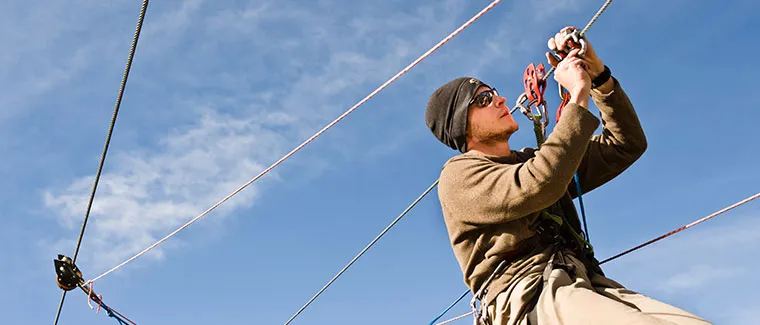
Ropes course maintenance and safety inspections
Mastering ropes course maintenance is the foundation of a safe, profitable, and highly efficient adventure operation. By implementing rigorous daily and quarterly checks, operators can dramatically extend the lifespan of their costly infrastructure. Keep your facility compliant and your visitors secure by following these standardized inspection protocols.

Maximizing Safety Through Proactive Zipline Maintenance Protocols
Effective zipline maintenance is the operational backbone of any safe and profitable aerial adventure park. Implementing advanced diagnostic tools like magnetic rope testing ensures you detect invisible cable fatigue before it becomes a critical hazard. Operators who prioritize rigorous zipline cable inspection actively protect both their guests and their long-term financial investments.